🔧 Flat and Low-Slope Roofing Specialists

Flat Roof Repair in Tracy, IA --
Membrane Systems Done Right

Flat and low-slope roofing systems fail in specific, identifiable ways -- seam separation, membrane puncture, drain blockage contributing to ponding, and flashing failure at parapet walls and penetrations. PDM Roofing diagnoses the actual failure mode before beginning any repair, because treating a symptom without identifying its cause produces a repair that fails again at the same location.

✅ TPO, EPDM, Modified Bitumen 💧 Ponding Water Analysis 🔧 Seam Failure Repair ⛩ Parapet and Drain Work
📞 Call +1-855-469-0306 -- Flat Roof Specialists

Common Flat Roof Failure Points

Seam Separation / DelaminationPrimary leak path in aged TPO and EPDM systems -- requires heat-weld or adhesive repair, not caulk.
Parapet Wall Flashing FailureCoping metal and counter-flashing failures allow lateral water entry -- often the true source of interior leaks.
Ponding Water ZonesStanding water after 48 hours indicates drainage or slope problem -- accelerates membrane deterioration.
Membrane Puncture or TearTrade damage, foot traffic, or debris impact -- requires patch with correct membrane compatibility.
Blister or Bubble FormationMoisture trapped beneath membrane during installation or repair -- must be evaluated before it spreads.
✅ Root Cause Diagnosis
💧 Ponding Water Assessment
🔧 Seam and Membrane Repair
⛩ Parapet and Drain Work

Flat Roofing Is a Different Discipline Than Pitched Roofing

Low-slope and flat roofing systems use fundamentally different materials, fail in different ways, and require repair approaches that are specific to each membrane type. A contractor who installs asphalt shingles daily is not automatically qualified to diagnose and repair a failing TPO seam.

🔍

Diagnosis Before Repair -- Every Time

The location where water enters your building is rarely the same as the location where the membrane has failed. Water travels beneath a membrane, follows the path of least resistance across the insulation layer, and finds a low point or penetration to enter the structure. A repair applied at the interior leak location has a high likelihood of failing because it is addressing the symptom rather than the source. Our diagnostic process traces the water pathway from the interior evidence back to the actual breach in the membrane or flashing assembly. This takes more time than applying sealant where you can see water staining, but it produces repairs that hold.

📋

Material Compatibility Matters

Flat roofing membranes are not interchangeable in repair scenarios. EPDM is chemically incompatible with many asphalt-based sealants and patches -- applying an incompatible product can actually prevent adhesion of a correct repair applied later. TPO repairs require heat-welded seams using the same TPO material or approved cover strips, not brush-applied sealants. Modified bitumen repairs require torch or cold-applied products matched to the existing system. We identify your membrane type before any material is applied to your roof, and we use only manufacturer-recommended or membrane-compatible products in our repairs.

⛩

Ponding Water Is a Root Cause, Not a Symptom

Flat roofs that retain standing water after rainfall -- typically defined as water present more than 48 hours after precipitation -- are experiencing a condition that accelerates membrane deterioration, adds structural dead load, and creates conditions for seam failure over time. Ponding results from inadequate slope, blocked or undersized drains, or settled insulation creating low spots in the membrane field. Repairing leaks on a roof with a chronic ponding problem without addressing the drainage issue produces short-lived repairs. We assess drainage as part of every flat roof repair evaluation and include recommendations for ponding correction when it exists.

🔣

Parapet and Drain Work Included

The two most common sources of flat roof leaks that are not field membrane failures are parapet wall assemblies and roof drains. Parapet walls require coping metal, counter-flashing, and membrane termination assemblies that weather and fail independently of the field membrane. Roof drains require proper membrane integration at the drain collar and periodic clearing to prevent overflow conditions. We address both as part of our flat roof repair scope -- not as add-on items.

TPO, EPDM, and Modified Bitumen: What's on Your Tracy Roof?

Before any flat roof repair is planned, the first essential task is identifying the membrane system in place. The three systems most commonly found on residential flat sections and commercial low-slope roofs in Tracy are TPO (thermoplastic polyolefin), EPDM (ethylene propylene diene monomer), and modified bitumen. Each has distinct characteristics, failure modes, and appropriate repair methodologies.

TPO is currently the most widely installed single-ply membrane for commercial and residential flat roofing, recognizable by its white or gray heat-welded seams. TPO offers good UV resistance and energy performance, but its seams -- which are its primary vulnerability -- require heat-welded repair with compatible TPO material when they fail. Brush-applied sealants will not achieve a durable bond to TPO and will fail within months.

EPDM is a black rubber membrane that has been installed on flat roofs for decades. Its seams are bonded with contact adhesive and seam tape rather than heat, which means field repairs use adhesive and cover strip methodology. EPDM is incompatible with asphalt-based products -- a critical fact that is regularly ignored by contractors who are unfamiliar with membrane systems. EPDM can develop surface cracking, particularly on older installations, but surface crazing does not automatically indicate the membrane has failed and requires full replacement.

Modified bitumen systems are multi-ply asphalt-based systems installed either with torch application or with cold-applied adhesive, depending on the product. They are typically the heaviest and most puncture-resistant of the common flat roofing systems and can be repaired with asphalt-compatible products. Like any membrane system, modified bitumen fails most commonly at seams, terminations, and flashings around penetrations.
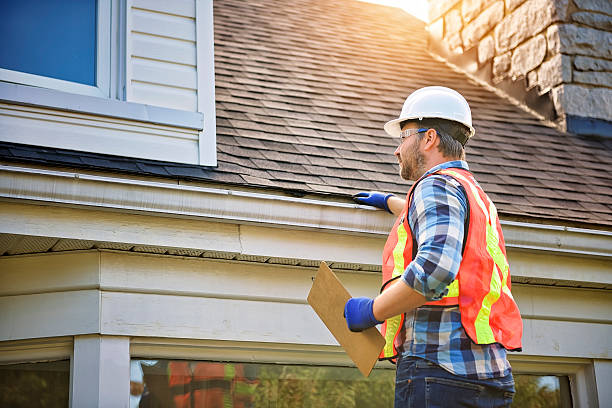
Flat Roof Repair in Tracy

Flat Roof Systems We Repair and Install in Tracy

TPO (Thermoplastic Polyolefin)

Single-ply heat-welded membrane

  • Heat-welded seam repair and replacement
  • Drain collar re-integration
  • Parapet termination bar repair
  • Puncture patch with compatible TPO material
  • Full TPO installation and re-roofing

EPDM (Rubber Membrane)

Single-ply adhesive-bonded membrane

  • Seam and lap failure repair using EPDM-compatible products only
  • Rubber flashing repair at walls and penetrations
  • Cover strip application at seam delamination
  • Surface crazing assessment and treatment
  • Full EPDM installation and recover

Modified Bitumen

Multi-ply asphalt-based system

  • Torch-applied and cold-applied seam repair
  • Blister and bubble identification and treatment
  • Flashing and cap sheet repair at penetrations
  • Granule loss evaluation and surface protection
  • New modified bitumen installation

How PDM Roofing Handles Flat Roof Repair in Tracy

1

Diagnostic Roof Evaluation

We walk the full membrane surface, identify all visible defects, check drain flow, evaluate ponding zones, and inspect parapet flashings before developing a repair scope.

2

Water Pathway Tracing

Interior leak location cross-referenced with roof surface findings to identify the actual breach. Membrane system identified and repair methodology confirmed before material is ordered.

3

Repair Execution with Correct Materials

All repair materials selected for compatibility with the existing membrane system. Seam repairs, flashing repairs, and drain work completed. No generic sealants applied to membrane surfaces.

4

Drainage and Longevity Assessment

Post-repair drainage assessment and written recommendations for any ponding correction or maintenance actions that will extend the repaired system's service life.

Flat Roof Repair Feedback from Tracy Property Owners

★★★★★

"I had two other contractors 'repair' the same flat roof section twice. Both applied caulk and sealant at the interior leak location and both failed within months. PDM Roofing's technician walked me through exactly why those repairs failed -- they were addressing the wrong location. They traced the actual breach to a parapet flashing separation eight feet from where water was entering inside. That repair has held through two full wet seasons without any issue."

RB
R. BarnesCommercial Property Owner, IA
★★★★★

"We have an attached garage with a flat TPO roof. After a particularly bad storm we started seeing staining in the corner of the garage. PDM Roofing came out, identified the failed TPO seam, and heat-welded the repair using compatible material. They also found a secondary area of concern at the drain collar and addressed that in the same visit. Clean work, no mess left behind, and they followed up a week later after a significant rainfall to confirm everything was holding."

SW
S. WhitfieldHomeowner
★★★★★

"I manage a 4-building commercial complex with flat EPDM roofs in Tracy. PDM Roofing has handled our maintenance and repair needs across all four buildings for the past two years. Their technicians actually understand membrane systems -- they don't show up and improvise. They diagnose, explain what they're doing and why, and execute correctly. Having a roofing contractor I can trust on flat roof work is genuinely valuable in this business."

CJ
C. JohnsonCommercial Property Manager

FAQ: Flat Roof Repair in Tracy, IA

How do I know if my flat roof needs repair or full replacement?+
The answer depends on the age and overall condition of the membrane, the extent of the damage, and the underlying insulation and deck condition. A relatively young membrane with isolated seam failure or a flashing issue is typically a good candidate for targeted repair. An older membrane with widespread seam deterioration, multiple leak sites, or significant insulation saturation is usually better addressed with replacement -- continued repairs on a system with end-of-life degradation across the field become a diminishing-returns proposition. We provide an honest assessment of this question during our diagnostic evaluation and explain our reasoning so you can make an informed decision.
Why does standing water matter on a flat roof?+
Flat roofs are designed to drain, not retain water. Ponding water -- water that remains on the membrane surface more than 48 hours after rainfall -- causes problems in several ways. It adds dead load to the roof structure that the structure may not be designed to support indefinitely. It accelerates UV degradation and oxidation of membrane surfaces. It forces water into any micro-failure in the membrane or seam, and the hydrostatic head of standing water is far more aggressive at infiltrating small defects than rain running off a pitched surface. On EPDM, long-term ponding can eventually swell the membrane's bonded seams. Addressing ponding water is a separate issue from repairing leaks -- both may be needed.
Can flat roof repairs be done in wet or cold weather?+
Membrane repair work generally requires dry conditions and adequate temperatures for proper adhesion and curing. Cold temperatures affect both adhesives and heat-weld quality -- TPO seams heat-welded below the material's minimum working temperature may appear to bond but fail under thermal cycling. We schedule flat roof repairs to align with appropriate weather windows and do not perform adhesive or heat-weld work in conditions that compromise bond quality. Emergency tarping can provide temporary protection while appropriate repair conditions are arranged.
How long does a flat roof repair last?+
A properly executed flat roof repair -- one that addresses the root cause with compatible materials applied under appropriate conditions -- should deliver years of service life. In our experience, repairs that fail quickly do so because the repair location was wrong, the materials were incompatible, or the conditions during application compromised bond quality. We track our flat roof repair work and stand behind it. What we cannot guarantee is the performance of the surrounding membrane beyond the specific repair area -- an aging membrane with widespread deterioration will continue to develop new failure sites regardless of how well one area is repaired.
What is the difference between a single-ply membrane and built-up roofing?+
Single-ply membranes (TPO, EPDM, PVC) are a single layer of roofing membrane typically 45 to 90 mils thick, installed in large sheets with seamed joints. Built-up roofing (BUR) consists of multiple layers of bitumen and reinforcing fabric, creating a thick, monolithic assembly. Modified bitumen is a hybrid that uses asphalt-saturated reinforcing sheets but is installed in fewer plies than traditional BUR. Each system has different repair approaches, different expected service lives, and different performance characteristics. The first step in any flat roof repair engagement is identifying which system is in place.

Flat Roof Repair Service Coverage in Tracy and the Region

Offering top quality Flat Roof Repair services in Tracy, IA. Certified, licensed, and available 24/7.

Zip Codes in Tracy, IA that we also serve: 50256

Cities Close To Tracy, IA That We Also Serve


Flat Roof Repair Express #1
★ 4.9 (120+ Reviews)
Dispatch Center, IA
Flat Roof Repair Express #2
★ 4.9 (120+ Reviews)
Dispatch Center, IA
Flat Roof Repair Express #3
★ 4.9 (120+ Reviews)
Dispatch Center, IA
Flat Roof Repair Express #4
★ 4.9 (120+ Reviews)
Dispatch Center, IA
Flat Roof Repair Express #5
★ 4.9 (120+ Reviews)
Dispatch Center, IA
Flat Roof Repair Express #6
★ 4.9 (120+ Reviews)
Dispatch Center, IA

Persistent Flat Roof Leak in Tracy? Call the Membrane Specialists.

PDM Roofing diagnoses flat and low-slope roofing failures correctly and repairs them with the right materials and methodology. TPO, EPDM, and modified bitumen repair and installation in Tracy, IA. Call +1-855-469-0306 today.

📞 Call +1-855-469-0306 for Flat Roof Help

Our Services in Tracy, IA

📞 Call Now
🟢 Techs On Duty in Tracy, IA Call +1-855-469-0306